8 Best Ways to Recover from Bad Online Reputation
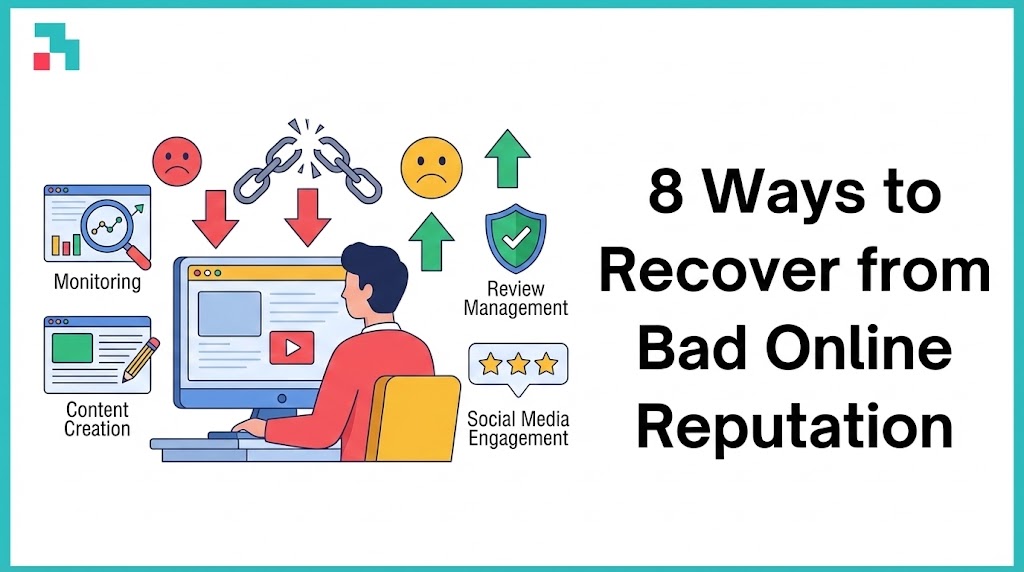
No business is perfect, and sooner or later, everyone gets hit with negative feedback online. The good news is that a bad reputation doesn’t have to last forever, here we are see how to recover from bad online reputation.
With the right steps, you can repair the damage, rebuild trust, and show customers you’re serious about improvement.
Learning how to recover from bad business reviews and turn criticism into growth is key for staying competitive.
In this guide, we’ll walk you through eight practical ways to bounce back, earn back credibility, and keep your online presence strong.
Table of Contents
Why Recovering from a Bad Reputation is Important
Your reputation online directly affects how people see your business and whether they decide to buy from you.
Research shows that over 90% of consumers read reviews before making a purchase, and nearly 80% say they won’t consider a company with poor ratings.
A single negative review may not hurt much, but ignoring several can quickly lower your average rating.
For example, dropping from 4.5 stars to 3.5 can push potential customers toward competitors with stronger feedback.
It also impacts visibility; Google ranks businesses with higher ratings and active profiles above those with unresolved issues.
Recovering from bad reviews is about more than just image; it’s about protecting revenue, staying competitive, and keeping customer trust intact.
8 Simple Steps to Recover from Bad Business Reviews
Recovering from a poor online reputation takes consistent effort, but it’s absolutely possible.
By taking the right steps, you can rebuild customer trust, improve visibility on Google, and protect your long-term growth.
Here’s how to get started.
1. Call Us for Help
The first step is reaching out for professional guidance.
At ReputationManage.co, we review your online presence, identify weak spots, and create a custom plan for your business.
Acting fast matters; businesses that address negative reviews early recover quicker and avoid losing leads to competitors.
Think of it as damage control that prevents small issues from becoming long-term problems.
- Start with expert support to save time and avoid mistakes
2. Respond to Negative Reviews Quickly

Customers want to feel heard, and responding promptly shows you care.
Studies reveal that 53% of consumers expect a reply within a week, yet many businesses fail to do so.
A polite, solution-focused response can even convince upset customers to update their review. This step also helps new visitors see that you value feedback and accountability.
- Respond quickly to show professionalism and care
3. Collect More Positive Feedback
One of the fastest ways to dilute negative comments is by gathering authentic positive reviews. Businesses with a higher review count and fresher feedback appear more trustworthy.
For example, a shop with 150 reviews and a 4.2 rating looks stronger than one with 15 reviews at 4.5.
Encourage happy customers to leave reviews through emails, receipts, or in-store reminders. Over time, this shifts your overall rating upward.
- Ask satisfied customers to leave honest feedback
4. Improve Your Google Business Profile
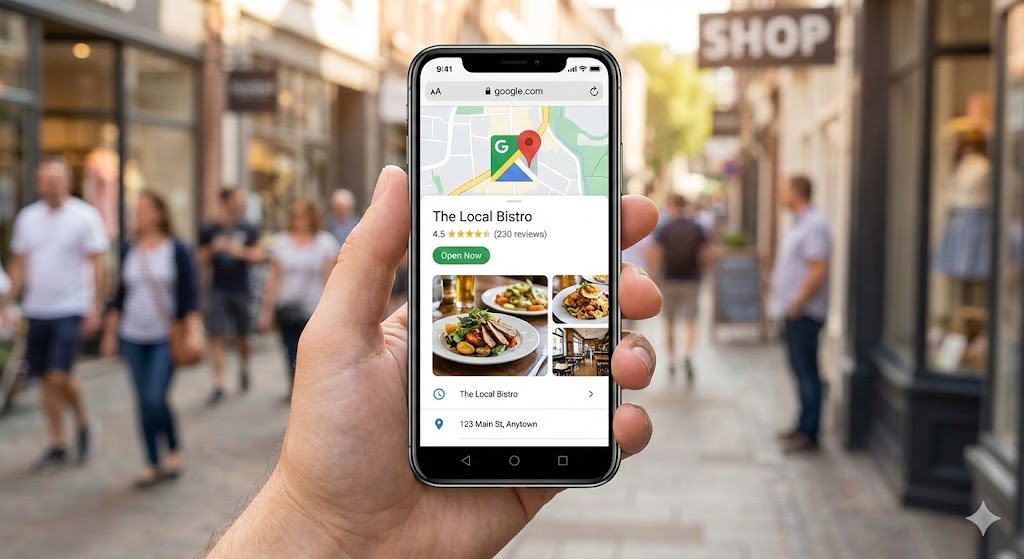
Your Google Business Profile (GBP) is often the first thing potential customers see. Keeping it updated with correct hours, new photos, and posts increases trust and engagement.
Google reports that businesses with complete profiles get 2.7 times more trust and attract more clicks.
If your profile looks outdated or incomplete, people may skip over you for a competitor. This is where strong GBP management becomes critical for recovery.
- Keep your GBP current and professional
5. Fix the Issues Customers Point Out
Negative reviews often highlight real pain points, such as slow service, product quality, or unclear communication.
Instead of ignoring them, use them as a free improvement tool.
For example, if multiple people mention long wait times, fix the process and let future customers know about the change.
Showing you listened and took action can turn criticism into credibility. This proactive approach is a key part of business reputation management.
Looking For Google Reviews? Claim your Discount Below
 8,492 people used this service in the past 7 days

- Turn negative feedback into lasting improvements
6. Monitor Reviews Regularly
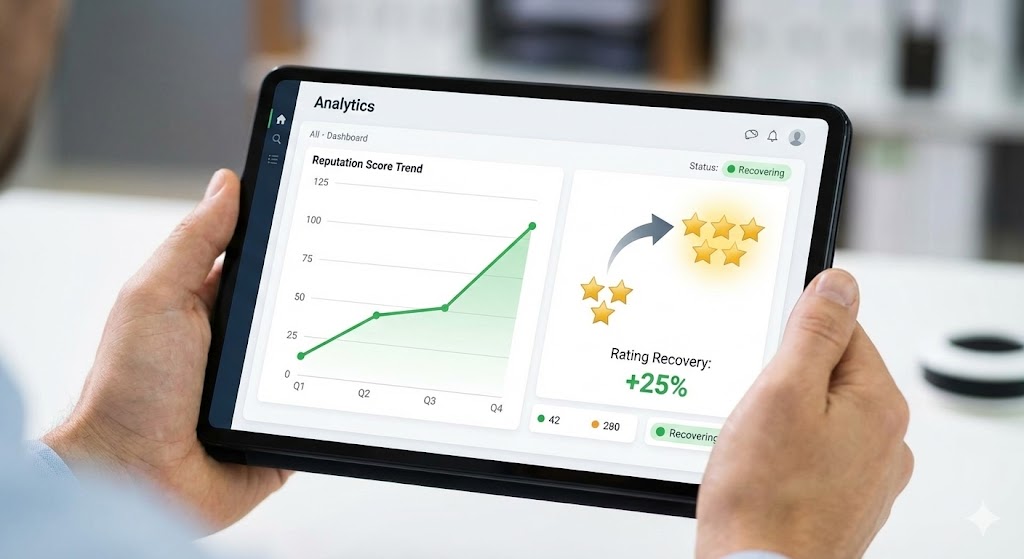
Don’t wait until bad reviews pile up. Monitoring feedback weekly allows you to address issues in real time.
Many businesses use alerts or tools to get notified when a new review appears.
This way, you can reply quickly and control potential damage before it spreads. It’s also a smart way to catch fake reviews early and request removal if needed.
- Stay alert and respond before problems grow
7. Learn from Competitors Who Rank Higher
If your competitors appear above you on Google, chances are their reviews and responses are stronger.
Analyzing how they handle feedback can reveal strategies you’re missing.
For instance, competitors who reply to every review often look more trustworthy to potential customers.
If your competitor is beating you on Google, reviews are usually the reason, a point we’ve explained in another detailed blog on our site.
- Study what makes competitors stand out
8. Focus on Long-Term Reputation Management
Fixing a bad reputation isn’t just a one-time project.
It requires ongoing work, including collecting feedback, keeping your GBP updated, and monitoring mentions across various platforms.
Businesses that commit to long-term reputation management build customer loyalty and avoid future damage.
The payoff is big: higher trust, better rankings, and a brand that can withstand criticism without losing credibility.
- Make reputation management part of your routine
Final Thoughts
Recovering from a bad reputation takes time, but every step you take makes a difference.
By responding to reviews, improving your Google Business Profile, and learning from competitors, you can rebuild trust and attract more customers.
The key is to stay consistent and treat feedback as an opportunity to grow.
With the right approach, any business can recover from bad business reviews and turn a negative situation into a stronger future.
If you’re ready to take the next step, explore our Google review services or GBP management solutions and see how we can help you today.
Frequently Asked Questions
How do I know if my business has a bad online reputation?
You can tell by checking your average star rating, reading through recent reviews, and seeing how often negative comments appear.
If your profile has slipped below 4 stars or customers frequently mention the same issues, it’s a sign your reputation needs attention.
You can also search your business name on Google and see what comes up. If negative results show first, it’s time to act.
Can a business fully recover from bad reviews?
Yes, recovery is possible, but it requires consistent effort. Many businesses that once had low ratings now maintain 4 stars or higher after actively addressing issues.
Responding to criticism, fixing common complaints, and encouraging satisfied customers to leave reviews can gradually improve your profile.
The process isn’t instant, but over months, the results can reshape customer perception and restore trust, making your business stronger than before.
What’s the biggest mistake businesses make with bad reviews?
The most common mistake is ignoring them. When customers see no response, they assume the business doesn’t care, which damages trust further.
Some also make the error of arguing with reviewers, which only highlights negativity. Instead, acknowledge the concern and show you’re working on a fix.
Taking feedback seriously shows professionalism, improves customer relationships, and can even encourage reviewers to update or remove negative comments once the issue is resolved.
How often should I invest in reputation management?
Reputation management isn’t a one-time effort; it’s an ongoing process.
Monitoring reviews weekly, updating your Google Business Profile monthly, and actively asking for new feedback keeps your reputation healthy.
The frequency depends on your industry. For example, restaurants and service-based businesses often need daily attention, while other industries can review less often.
Treating reputation management as a regular part of operations ensures long-term stability and keeps negative feedback from piling up unnoticed.