Online Reputation Management for Universities
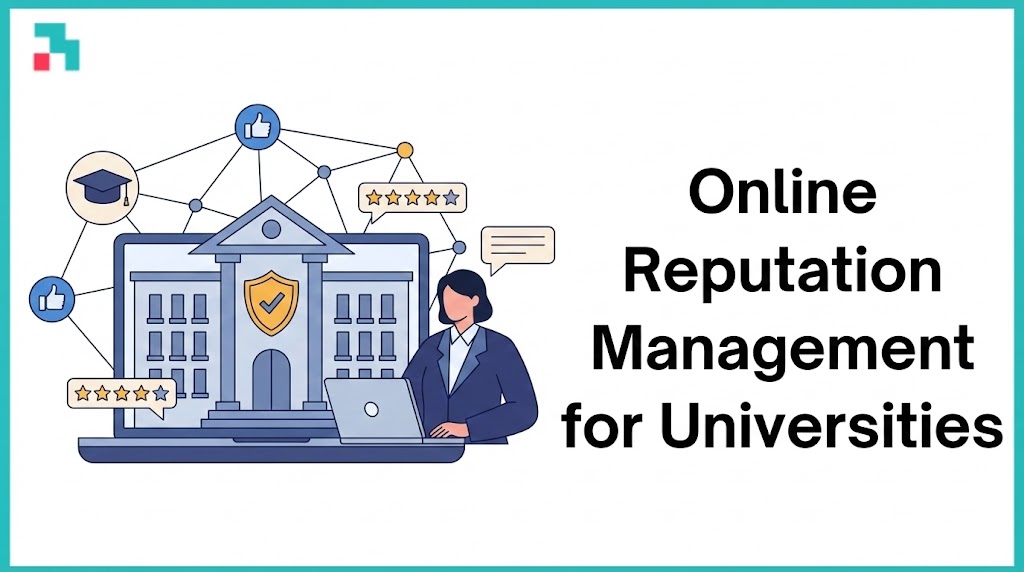
Managing how people see a university online is more important than ever. Students, parents, and even staff often check reviews and social media before making decisions.
A few bad comments can spread fast, while positive feedback helps build trust and attract new enrollments.
That’s why online reputation management for universities matters so much today.
In this blog, we’ll break down why reputation is key, what challenges schools face, and the best ways to stay in control.
Table of Contents
Why University Reputation Matters

A university’s reputation isn’t just about bragging rights; it directly affects how students, parents, and even faculty view the institution.
Most people today turn to online reviews and search results before making decisions.
A positive image helps attract new students and build long-term trust, while a negative one can hurt applications and funding.
Student Enrollment and Applications
Reputation plays a huge role in where students choose to study.
According to surveys, over 70% of students research online reviews before applying to a college or university.
When rankings and reviews show an institution in a positive light, applications increase.
On the other hand, negative comments about teaching quality, campus life, or administration can push potential students toward competitors.
For schools trying to grow, keeping a strong online presence is just as important as academic performance.
Funding and Partnerships
A trusted reputation can help a university secure more than just students.
Donors, grant providers, and business partners often review online presence before offering support.
If the institution looks reliable and professional, it’s easier to gain partnerships and financial backing.
For example, universities with strong reputations often attract research grants or collaborations with top companies.
A weak online image can limit these opportunities, making growth harder to achieve.
Career Value for Graduates
When a university has a strong reputation, its graduates benefit too. Employers often consider the school’s reputation listed on a résumé.
A well-respected university name can give graduates an edge in competitive job markets.
If negative stories or poor reviews dominate search results, the value of that degree may feel weaker to recruiters.
This is why working on improving online reputation isn’t just about the school; it also directly impacts its students’ future careers.
Biggest Online Challenges for Universities
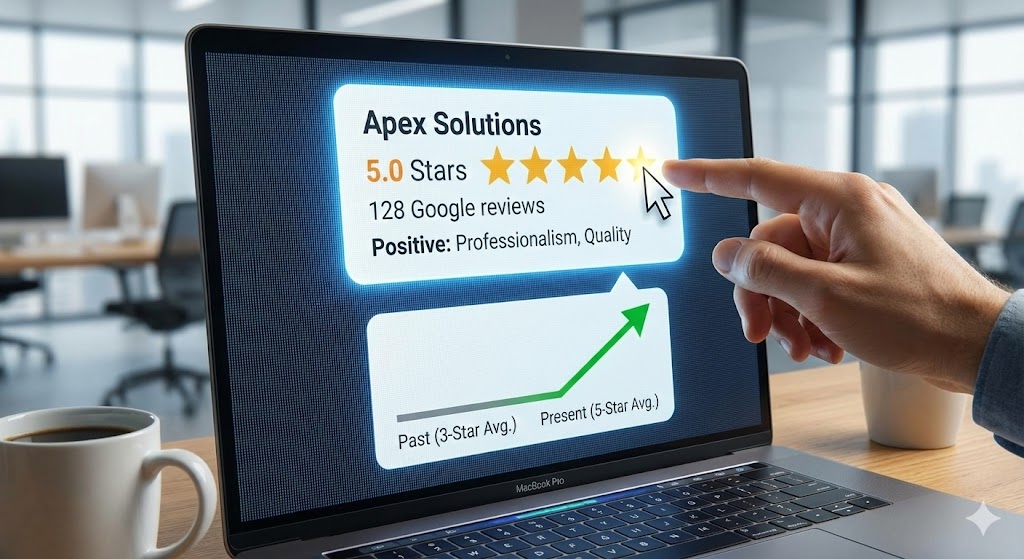
Universities face a mix of issues online that can shape how people see them. Some challenges are small but still matter, while others can create long-term damage if ignored.
Here are the most common problems institutions deal with.
Negative Reviews
A few low-star reviews on Google or student forums can influence how parents and future students think about a school.
Since reviews often show up first in search results, they can overshadow positive news or rankings. Addressing feedback quickly is key to keeping trust.
- Bad reviews impact first impressions.
Fake or Misleading Information
It’s common to find false claims about universities on social media or lesser-known websites. These can be from upset individuals, rival schools, or even bots.
Without active management, this content can hurt credibility and confuse people looking for accurate information.
- False content damages credibility.
Reviews Not Showing Up
Sometimes positive reviews don’t appear on Google, leaving only negative ones visible. This happens due to Google’s filters or when accounts don’t look genuine.
For a university, this creates an unfair picture that doesn’t match the real experiences of most students and staff.
- Missing reviews distort reality.
Social Media Backlash
One viral post can trigger thousands of comments in hours. If a video or tweet criticizes the university, it can trend fast and harm the reputation long after the issue is resolved.
Having a response plan in place helps limit the damage.
- Viral posts spread quickly.
Outdated or Inconsistent Information
Old phone numbers, wrong program details, or inconsistent faculty profiles online frustrate potential students.
Looking For Google Reviews? Claim your Discount Below
 8,492 people used this service in the past 7 days

Inaccurate information across websites, Google listings, and social platforms can reduce trust and lower application rates. Regular updates are needed to keep everything aligned.
- Inconsistency lowers trust.
How to Manage and Improve Reputation

Taking control of a university’s online reputation doesn’t have to feel overwhelming.
With the right steps, you can make sure students, parents, and partners see the best side of your institution.
Tip 1: Call Us for Expert Help
The easiest way to start is by letting us handle it for you.
At Reputation Manage, we provide Google Reviews services and Google Business Profile management tailored for universities.
This means your school gets more visibility, stronger trust, and a cleaner online image. Instead of chasing problems, you’ll have a partner who manages everything for you.
Tip 2: Respond Quickly and Professionally
When reviews or comments come in, fast responses matter. A polite reply shows that your school values feedback and cares about fixing issues.
Even negative reviews can turn into positives if handled with care.
Universities that reply consistently often see higher ratings and stronger community trust over time.
Tip 3: Keep Information Updated
Outdated details confuse potential students and frustrate parents.
Make sure your Google profile, website, and social pages always reflect current programs, events, and contact details.
Regular updates send a message that the university is active and reliable. Small things like adding new photos or sharing campus news can improve credibility instantly.
The Role of Search Engines in Reputation
Most people’s first step when looking into a university is typing its name into Google.
What shows up on that first page has a huge impact on how the school is viewed, often more than official ads or brochures.
- First Impressions: About 75% of users never go past page one. If negative reviews or bad press appear first, that often defines the university’s image.
- Google Profiles: The Google Business Profile is usually the top result. Ratings, photos, and accuracy signal credibility, while missing info makes a school look untrustworthy.
- News Coverage: Positive stories about research or alumni can help for years. But old negative headlines often stay high in search and keep hurting the reputation.
- Student Reviews: Reviews on Google and other platforms appear quickly. A wave of negative feedback about dorms or staff can dominate search within hours.
- Quick Answers: Snippets highlight tuition, rankings, or controversies. For many, that short text becomes the only thing they believe.
Conclusion
A university’s reputation is shaped every day by what people see online.
Students, parents, and staff all make decisions based on reviews, search results, and the information that’s easiest to find.
That’s why online reputation management for universities is not optional; it’s essential.
By focusing on reviews, search visibility, and consistent communication, schools can protect their image and build long-term trust.
At Reputation Manage, we’re here to help universities take control of that story.
A strong reputation means more enrollments, stronger partnerships, and a future where your institution is always seen in the best light.
Frequently Asked Questions
How do universities track their online reputation?
Universities often use monitoring tools like Google Alerts, Mention, or ReviewTrackers to see what people are saying about them online.
They also check social media mentions and review platforms regularly.
Larger institutions may hire dedicated staff or agencies to track trends, respond quickly, and analyze reputation data over time.
Can negative reviews ever help a university?
Surprisingly, yes. Negative reviews give universities a chance to show they listen and take action.
When a school responds professionally and fixes issues, it can improve trust.
A completely perfect rating may even seem suspicious, while a mix of honest reviews can appear more authentic to prospective students and parents.
How often should universities update their Google Business Profile?
Universities should update their profile whenever there are changes, such as new programs, contact details, or events.
Ideally, updates should happen monthly to keep information fresh.
Adding photos, responding to reviews, and posting updates regularly also helps improve visibility in local search results and shows the institution is active and reliable.
What role do alumni play in online reputation?
Alumni can have a big impact by sharing their success stories online.
Positive testimonials on LinkedIn, social media, or review sites show future students what’s possible after graduation.
Alumni who remain engaged with their university often leave reviews or create content that boosts credibility and strengthens the school’s long-term reputation.